TL;DR:
- Sponsorship provides accountability, guidance, emotional support, and community connection essential for recovery.
- Preparing honestly and choosing a sponsor with experience and compatibility increases success chances.
- Open communication and flexibility are key for building and maintaining effective sponsorship relationships.
Finding a sponsor can feel overwhelming, especially when you're already navigating the emotional weight of early recovery. You might wonder who to ask, what to say, or whether you're even ready. These fears are real and completely normal. The good news is that sponsorship is one of the most powerful tools available to you, and the process doesn't have to be confusing. This guide walks you through every step, from understanding what sponsorship means to finding the right person and building a lasting connection. You deserve support, and this is where it starts.
Table of Contents
- Understanding sponsorship and its benefits
- Preparing for the sponsorship process
- How to find and connect with a sponsor: Step-by-step
- Troubleshooting and avoiding common mistakes
- Our perspective: What most guides get wrong about sponsorship
- Find your recovery community and sponsor today
- Frequently asked questions
Key Takeaways
| Point | Details |
|---|---|
| Sponsorship matters | Having a sponsor increases accountability, support, and long-term recovery success. |
| Preparation is key | Taking time to reflect on your needs and what to expect makes finding the right sponsor easier. |
| Follow clear steps | Breaking down the process into manageable steps improves your confidence and results. |
| Troubleshoot early | Knowing how to address common issues ensures you stay on track in your recovery journey. |
Understanding sponsorship and its benefits
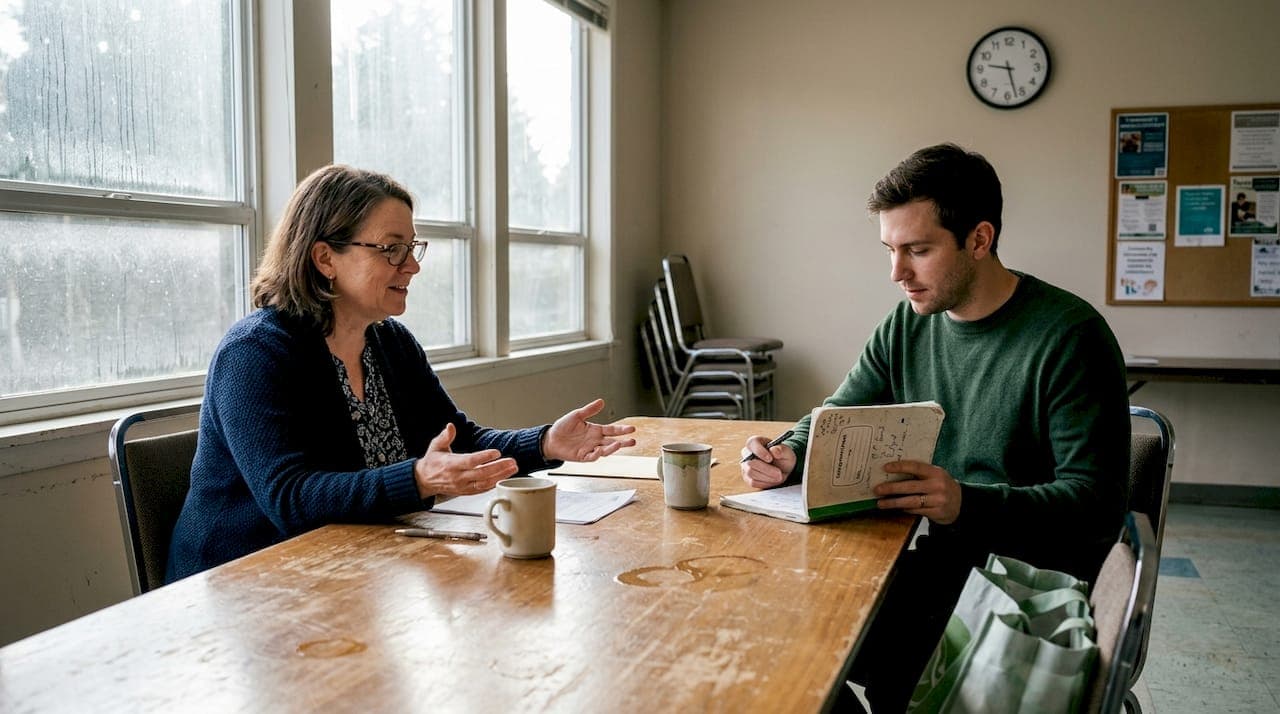
Sponsorship in recovery means having an experienced person guide you through a recovery program. A sponsor is not a therapist or a counselor. They are someone who has walked the path you're on and made it through. They offer lived experience, honest feedback, and steady support.
Sponsorship exists across many programs, including Alcoholics Anonymous (AA), Narcotics Anonymous (NA), SMART Recovery, and Dharma-based recovery. Each program has its own approach, but the core idea is the same: connection saves lives.
Why does sponsorship work?
Research and community experience both point to the same conclusion. Sponsorship significantly improves recovery outcomes and provides accountability that is hard to find elsewhere. When someone checks in on you regularly and holds you to your commitments, staying on track becomes much more achievable.
Here is a quick look at what sponsorship offers compared to going it alone:
| Recovery approach | Accountability | Lived guidance | Emotional support | Community connection |
|---|---|---|---|---|
| No sponsor | Low | None | Limited | Minimal |
| With a sponsor | High | Direct | Strong | Active |
| Group only | Moderate | Shared | Moderate | Active |
The benefits of having a sponsor include:
- Accountability: Someone who notices when you go quiet or miss a meeting
- Guidance: Step-by-step help through your program's process
- Shared experience: Advice from someone who has faced what you face
- Emotional support: A safe person to call when things get hard
- Motivation: A living example that recovery is possible
"Having a sponsor changed everything for me. I stopped feeling like I was doing this alone." This kind of feedback is common among people who commit to effective sponsorship processes early in their journey.
Sponsorship is not a luxury. For many people, it is the difference between staying sober and relapsing. Take it seriously, and give it a real chance.
Preparing for the sponsorship process
With a clear understanding of sponsorship's importance, the next step is to prepare yourself for the process. Jumping in without preparation often leads to mismatched relationships that don't last.
First, ask yourself some honest questions. Are you ready to be open with someone? Can you commit to regular contact? Are you willing to take direction, even when it feels uncomfortable? These are not trick questions. They are checkpoints that help you show up as a good partner in the relationship.
What to look for in a potential sponsor:
- Someone with solid time in recovery, usually at least one year
- A person who is active in their program and attends meetings regularly
- Someone whose values and communication style feel like a good fit for you
- A person who has already sponsored others successfully
- Someone who is genuinely available and willing to help
Preparation and self-assessment increase the likelihood of a successful sponsor-mentee relationship. This is backed by real experiences from recovery communities, including case studies of sponsorship that show how readiness on both sides leads to better outcomes.

Here is a simple comparison to help you evaluate potential sponsors:
| Quality | Strong fit | Weak fit |
|---|---|---|
| Time in recovery | 1 or more years | Less than 6 months |
| Program involvement | Active and consistent | Occasional or absent |
| Communication style | Clear and patient | Vague or dismissive |
| Availability | Regular and responsive | Rarely available |
| Prior sponsorship | Has sponsored others | No prior experience |
Pro Tip: Write down three qualities that matter most to you in a sponsor before you start looking. This list will keep you focused and help you avoid settling for a poor match just because you feel pressure to find someone quickly.
Preparation is not about being perfect. It is about being honest with yourself so you can show up ready to receive support.
How to find and connect with a sponsor: Step-by-step
Now you're ready to take action. Let's break down exactly how to find and connect with a sponsor.
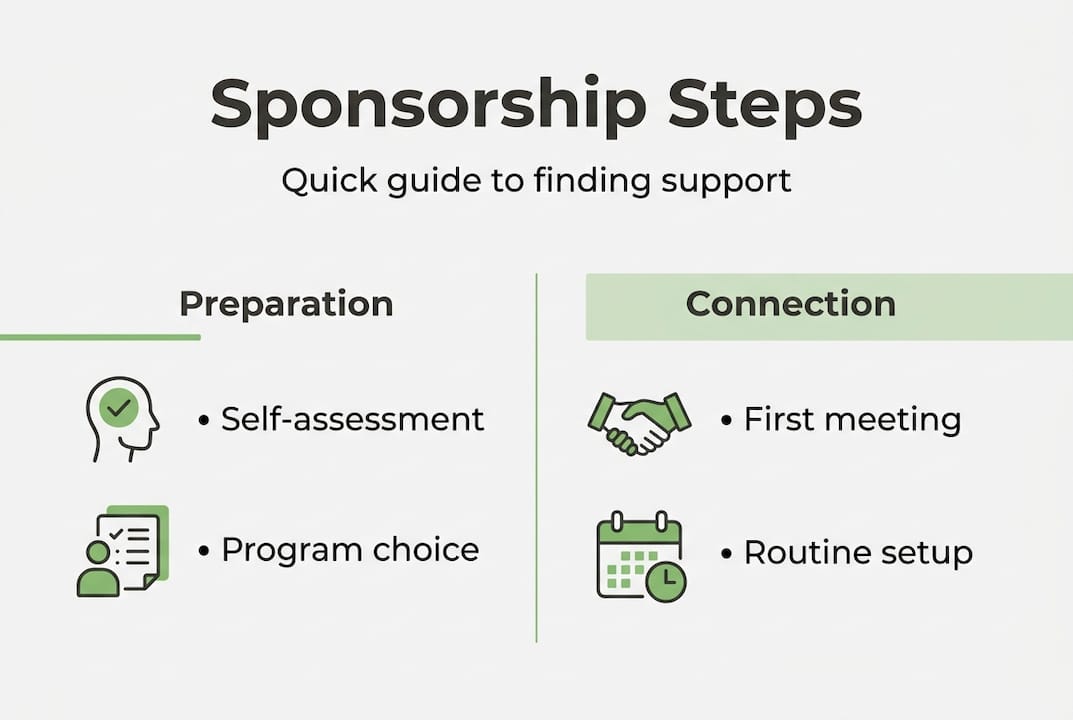
Step 1: Identify programs and sponsor candidates
Start by attending meetings in your chosen program, whether that's AA, NA, SMART Recovery, or another. Listen for people who share experiences that resonate with you. Notice who seems grounded, consistent, and approachable. You don't need to decide right away. Just observe.
Step 2: Approach potential sponsors
This is the step most people dread. Keep it simple. After a meeting, approach the person and say something like: "I've been listening to you share, and I feel like I could learn a lot from you. Would you be open to being my sponsor?" Most people in recovery remember what it felt like to ask for help. They will not judge you for reaching out.
Step 3: Set expectations and boundaries
Once someone agrees to sponsor you, have an honest conversation early on. Talk about how often you'll connect, what format works best (phone, in person, online), and what you both expect from the relationship. Mentor-mentee relationships form the backbone of sustained recovery for many people, and clear expectations are what keep those relationships healthy.
Step 4: Establish a routine
Consistency matters more than intensity. A short check-in three times a week beats a long conversation once a month. Set a regular schedule and stick to it. This builds trust and keeps you accountable.
You can also explore examples of successful sponsorship pairings to see how others have structured these relationships in ways that really work.
Pro Tip: Don't wait until you're in crisis to contact your sponsor. Regular, low-stakes check-ins build the relationship so that when hard moments come, you already have a strong connection to lean on.
Reaching out is the hardest part. Once you do it, the path forward becomes much clearer.
Troubleshooting and avoiding common mistakes
Even a thoughtful step-by-step process can run into snags. Here's how to handle the most common obstacles.
Many sponsorship relationships hit friction early on. This is normal. The key is knowing how to recognize problems and address them before they grow.
Common issues to watch for:
- Mismatched communication styles or schedules
- Unclear goals or expectations from either side
- One person doing most of the work in the relationship
- Feeling judged or unsupported during difficult moments
- Losing touch over time without either person addressing it
"Overcoming setbacks is part of the sponsorship journey; understanding common errors improves long-term success." This reminder matters because many people give up on sponsorship entirely after one difficult experience, when the real answer was simply to adjust the approach.
If your sponsorship isn't working, start by having a direct conversation. Tell your sponsor what isn't feeling right. Many issues come from simple misunderstandings that can be resolved quickly with honest communication.
If the relationship still doesn't improve after that conversation, it is okay to seek a new sponsor. You can explore troubleshooting real-life sponsorship situations to see how others have navigated this transition with respect and care.
Essential reminders as you build your support network:
- Your sponsor is a guide, not a fixer. The work is still yours to do.
- It's okay to have more than one source of support alongside your sponsor.
- Changing sponsors is not failure. It is a sign that you know what you need.
- Recovery is a long road. Give relationships time to develop before giving up.
- Stay connected to your broader program community, not just your sponsor.
Building a support network takes time. Be patient with the process and with yourself.
Our perspective: What most guides get wrong about sponsorship
Most articles on sponsorship treat it like a checklist. Follow the steps, find the right person, and everything falls into place. But recovery doesn't work that way, and neither do relationships.
The truth is that the best sponsorships we've seen are not the ones that follow a perfect process. They are the ones built on flexibility, honesty, and a willingness to adapt. Life changes. Recovery changes. A sponsor who was the right fit in your first year might not be the right fit in your third year, and that's okay.
Rigid advice often fails people in real life because it doesn't account for the messiness of being human. What actually works is open communication, a genuine desire to grow, and the courage to speak up when something isn't right.
We've seen this reflected in case studies of flexible sponsorship where the most successful relationships were the ones that evolved over time. Don't chase a perfect sponsor. Chase an honest relationship. That is what actually sustains recovery.
Find your recovery community and sponsor today
You've done the reading. You understand what sponsorship is, how to prepare, and how to take action. Now it's time to take that first real step.
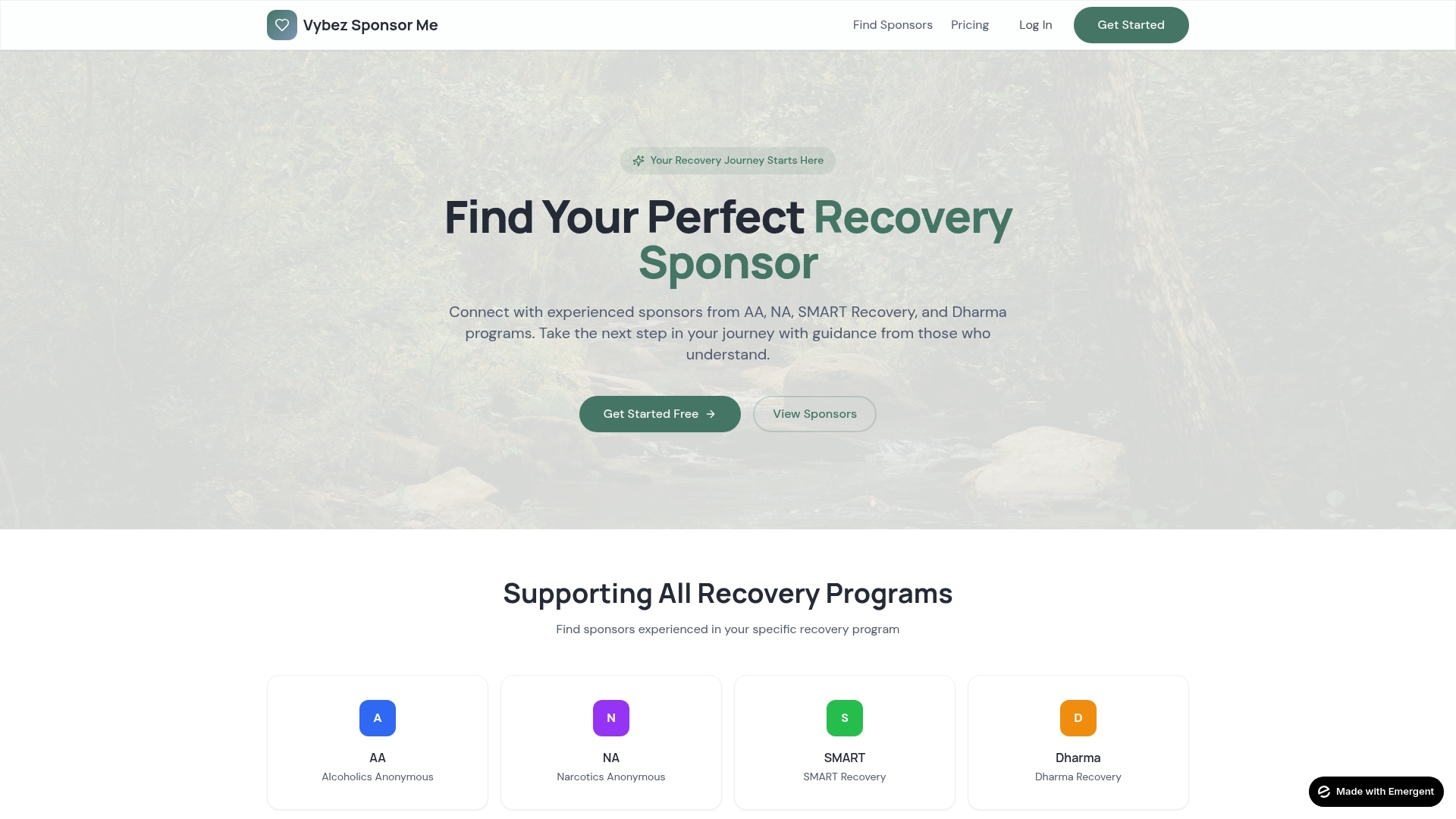
Vybez Sponsor Me is a safe, confidential platform where you can connect with verified sponsors across AA, NA, SMART Recovery, and Dharma-based programs. You can read real reviews, browse trusted profiles, and start your sponsorship journey at your own pace. Privacy is built into every part of the experience. Whether you're looking for a sponsor or ready to become one, the community is here for you. Start your journey today.
Frequently asked questions
What is a sponsor in recovery programs?
A sponsor is a more experienced member who offers guidance, support, and accountability to someone newer in their recovery journey. Sponsorship significantly improves recovery outcomes across many programs.
How do I choose the right sponsor?
Look for someone with experience, reliability, and values that align with yours, and make sure they are available and genuinely willing to help. Preparation and compatibility increase the chances of a successful relationship.
Can I change my sponsor if it isn't working out?
Yes, changing sponsors is common and encouraged when the relationship is not helping your recovery. Addressing challenges and making changes is a healthy part of the process.
What are common mistakes when seeking sponsorship?
Rushing the process, skipping the expectations conversation, and going silent during hard times are the top mistakes to avoid. Clear communication is what keeps sponsorships strong.